Why you can trust The Ledger with your numbers
Plain English, no fine print. The fine print lives in the Privacy Policy and Terms of Service.
Your rental books are personal. Before you put them anywhere, you deserve straight answers about who's behind the app, what it keeps, and how you get out. Here they are.
A person, not a logo
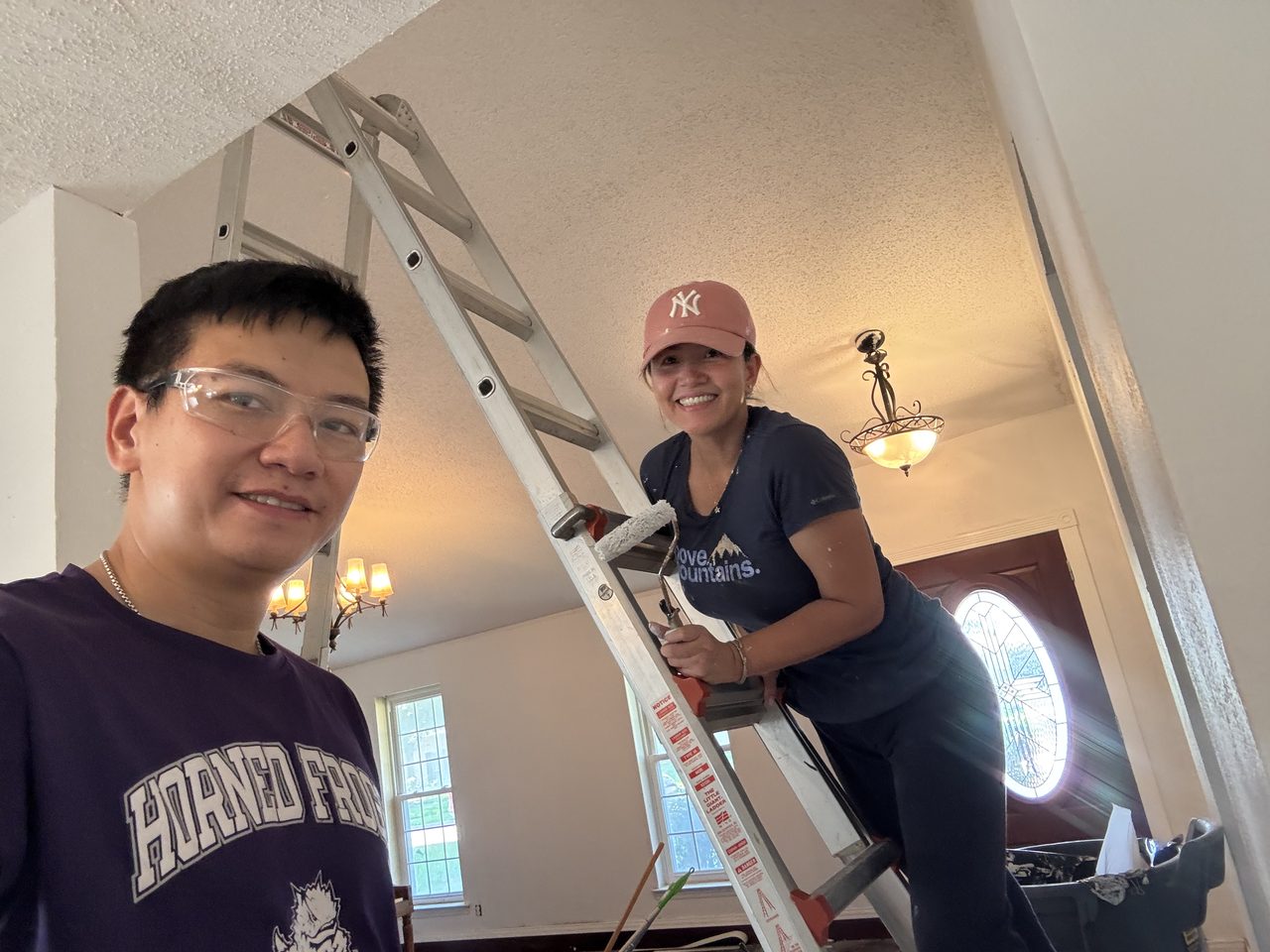
I do finance for a living and rentals on the side. This app has one job: make the day-to-day - receipts, miles, rent - take seconds, and keep the records clean enough that our CPA trusts what shows up in April. If my wife can't use it, it doesn't ship. Ask her - plenty hasn't.
What we keep - and what we never touch
We keep exactly what you type in: properties, transactions, mileage, leases, and the receipts you snap. Encrypted in transit and at rest, on Google Cloud servers in the United States.
And a plain one: we never see your bank login. Imports are files you download from your bank and hand over yourself. There's no credential to steal, because there's no credential. Where your figures come from is the promise that matters more: every entry says whether it was checked against a bank line, a mortgage statement, a spreadsheet or a receipt, and every figure opens the rows behind it.
Who can see your books
You, and the people you invite - per property, edit or view-only. That's the whole list. No selling your data (not aggregated, not "anonymized," not at all), no ads, no trackers.
Enforced by Google's servers, not by promises
The access rules run on Google's servers, above the app - a modified app or a clever script can't talk its way past them.
- Every request is identity-checked before it's answered. There is no request that returns another account's data - not a broad one, not a lucky one.
- Access follows the property, not the account. Invite a bookkeeper to one duplex and they see that duplex - nothing else you own. Remove them, and the access dies on the server, not just in their menu.
- Invite codes switch off instantly and expire on their own after 30 days.
- Receipts and lease documents follow the same rules. Never public, never guessable by URL - photos and PDFs only.
The exit door is always open
One tap exports your entire portfolio as a single file (Reports → full backup). One tap deletes your account and everything in it - no "email us to close your account," no waiting on support.
The easiest way to trust an app with your data is knowing you can take it back.
What we won't claim yet
App Check (Google verifying that requests come from the real app) is wired and running in monitoring mode; strict enforcement switches on before any paid launch. Still not done, so it doesn't get a bullet point above: an independent review of the access rules by someone who didn't write them. This page updates when it lands.
Honest limits
This is beta software, and its figures are a head start for you and your CPA - not tax advice. No way of storing data is 100% secure; anyone who says otherwise is selling something. The fine print lives in the Privacy Policy and Terms of Service. Questions, or something looks wrong? Write to hello@thepropertyledger.app - a person reads it.